
Minoxidil: What Is It and How Does It Help With Hair Loss?

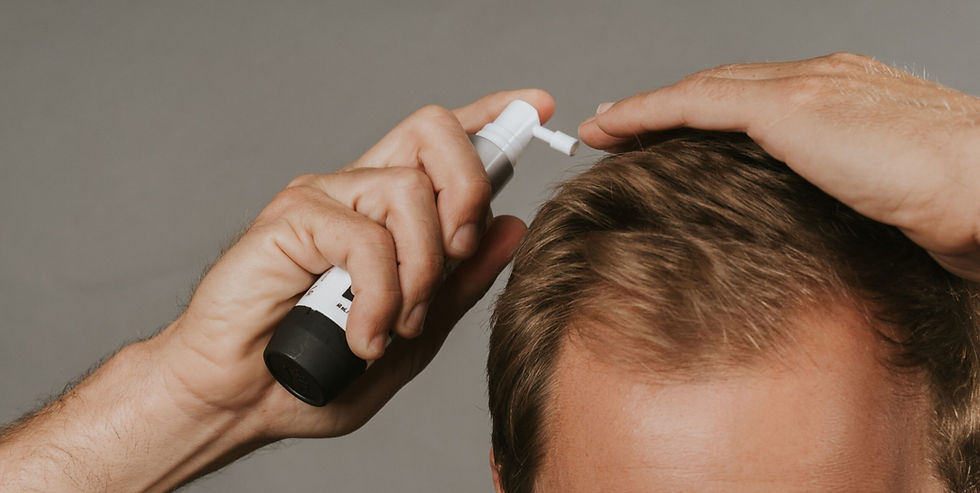
Most people have heard of minoxidil, and many have tried it without seeing the results they hoped for. The reason is almost always the same: expectations. Minoxidil is often imagined as a miracle that will grow hair back on a completely bald scalp within weeks. When that does not happen after two or three months, people stop, convinced it does not work.
The truth is more nuanced, and more encouraging. Minoxidil is a genuinely useful treatment, but it works gradually and gives its best results on recent thinning rather than long-standing baldness. Understanding how it works, and what it can realistically do, is the key to using it well.
What Exactly Is Minoxidil?
Minoxidil is a medication used to treat certain types of hair loss, most commonly androgenetic (hereditary) thinning. It is applied directly to the scalp as a liquid solution or a foam. In some countries, a low-dose tablet form also exists, prescribed and monitored by a doctor.
Originally developed for another medical use, minoxidil was found to stimulate hair growth as a side effect. Today, it is one of the most widely used non-surgical treatments for hair loss.
How Does Minoxidil Work?
Minoxidil acts on the hair follicles in several complementary ways:
It widens the small blood vessels in the scalp, which can improve blood flow and bring more oxygen and nutrients to the follicles.
It lengthens the growth phase of the hair cycle (the anagen phase), so hairs stay in place and keep growing for longer before they fall out.
It can reactivate weakened follicles, encouraging them to produce thicker, stronger hairs.
Together, these effects help slow hair loss, allow some hairs to regrow, and make the existing hair look denser. Minoxidil is most effective on recent or early-stage thinning, and far less effective on long-standing or very advanced hair loss, where the follicles may no longer be active.
How to Use Minoxidil
Getting results from minoxidil depends heavily on using it correctly and consistently.
Choosing the right strength
The most common concentrations are 2 percent and 5 percent. The right choice depends on your profile, and your doctor is best placed to advise which is suitable for you.
Applying it properly
Apply to a clean, dry scalp, following the directions on the product or from your doctor, usually once or twice a day.
Use only the recommended amount. Applying more will not speed up results and may increase the risk of side effects.
Wash your hands after each application, and avoid any contact with the eyes.
Let the treated area dry fully before using styling products or going to bed.
Staying consistent
Minoxidil is not a quick fix. Visible effects usually begin after two to four months, with clearer results by around six months. It is a long-term treatment: if you stop, the hairs it helped maintain will gradually be lost again over the following months.
Possible Side Effects
Most people tolerate minoxidil well, but side effects can occur:
Scalp irritation: redness, itching, dryness, or flaking where the product is applied. If this happens, stop use and speak with your doctor.
Unwanted hair growth: fine hairs may appear on the forehead or face if the product spreads beyond the treatment area.
A temporary increase in shedding: some people notice more hair loss in the first few weeks. This is usually a normal, passing phase, as weaker hairs make way for new growth.
Rare systemic effects: dizziness, a rapid heartbeat, or swelling can occur if too much product is absorbed. Stop use and seek medical help if you feel faint, have chest pain, or notice swelling of the hands or feet.
Allergic reactions: very rarely, a serious allergic reaction can occur. Seek emergency care in case of facial swelling or difficulty breathing.
Who Should Not Use Minoxidil
Minoxidil is not suitable for everyone. You should avoid it, or seek medical advice first, in the following situations:
If your scalp is irritated, infected, or broken. Wait until the skin has fully healed.
If you are pregnant or breastfeeding, unless your doctor specifically advises otherwise.
If you have a heart condition or take blood-pressure medication, always consult a doctor before starting.
What to Discuss With Your Doctor
Minoxidil works best as part of a considered plan rather than on its own. It is worth discussing a few points with a specialist:
It is most effective for early-stage thinning at the crown and the top of the scalp, and less effective for large bald areas or a receding hairline.
It can be combined with other treatments, such as finasteride in men, or PRP (platelet-rich plasma). A specialist can advise what suits your situation.
Results vary from one person to another: some see noticeable regrowth, others mainly a slowing of their hair loss. In every case, continued use is needed to maintain the benefit.
Always choose products from reputable manufacturers, and follow the instructions carefully.
When to See a Doctor
Some situations call for a professional opinion rather than self-treatment:
If your hair loss is sudden or rapid, which may point to another cause that needs specific tests or treatment.
If you experience significant side effects, or see no improvement after several months, so you can review other options.
A Word From New Hair Graft
At New Hair Graft, in Mauritius, we see minoxidil as one tool among several, not a universal answer. For some patients it is enough to stabilise hair loss and strengthen existing hair. For others, it is best combined with treatments such as PRP, or, when the loss is more advanced, with an FUE hair transplant.
The right approach always starts with understanding the cause. That is why the first step we recommend is a personalised hair diagnosis, which allows us to assess your situation honestly and guide you towards the solution that truly fits, whether that involves minoxidil, another treatment, or a transplant.
If you would like to know where you stand, we would be glad to talk it through with you.
Book your free hair diagnosis: https://www.newhairgraft.com/en/contactez-nous
This article is for information only and does not replace a personalised medical consultation. Always seek the advice of a qualified doctor before starting any treatment.


Comments